268. The Palace (DE)
History:
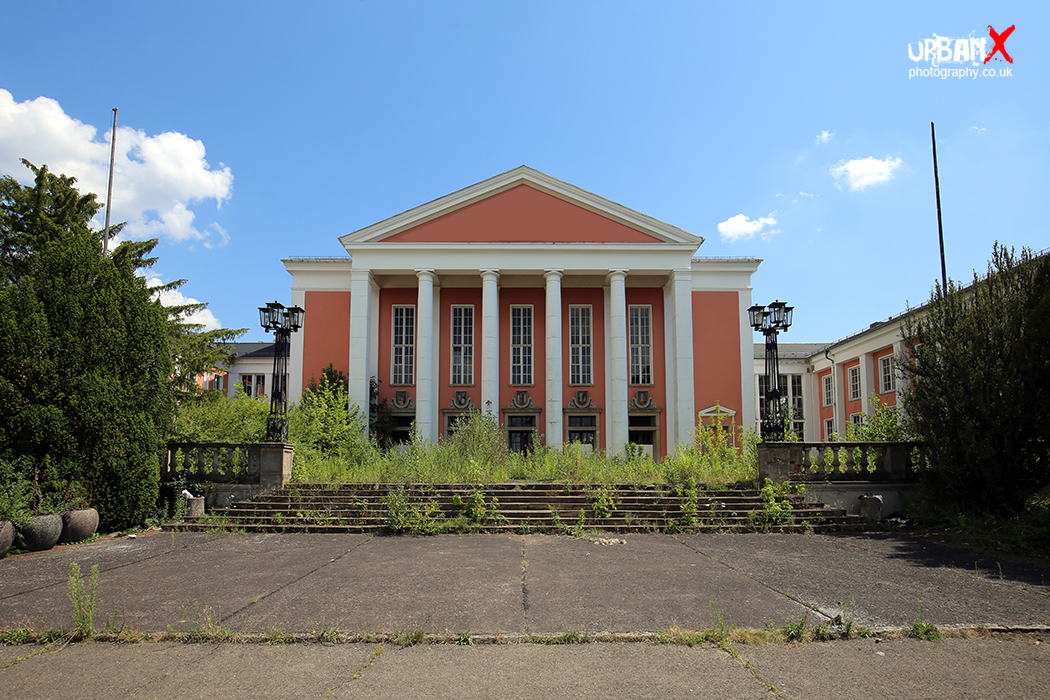
The VEB Maxhütte Unterwellenborn Cultural Palace is a former cultural center and has been a listed building since September 24, 1987. It is located in the municipality of Unterwellenborn in the Saalfeld-Rudolstadt district in Thuringia.
During the GDR era, the building was directly connected to local public transport, so that visits to the regularly offered events were easy for everyone thanks to bus transfers, even to neighbouring districts.
The responsibility for the project was given to the architect Hanns Hopp , originally from Lübeck and then head of the German Building Academy of the GDR (DBA) . Hopp in turn commissioned Josef Kaiser , who had only been working in the Master Workshop II for a few weeks at the time , to prepare a first preliminary design.
Since Kaiser had not only been successful as an architect since the mid-1930s, but had also been active as an opera singer, he knew the acoustic and functional requirements of theatres and opera houses very well from his own experience. He signed the four basic design variants and the implementation draft as the author, while Hopp signed the plans as the director.
After a multi-stage design and selection process, Kaiser's fourth design was finally accepted. The outdoor facilities were designed through many voluntary work by Maxhütte (local steelwork) employees.
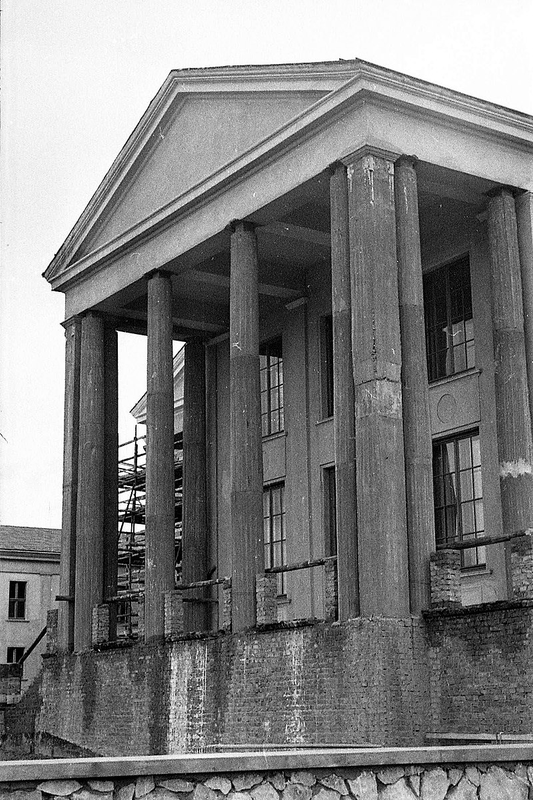
Palace under construction – 1953
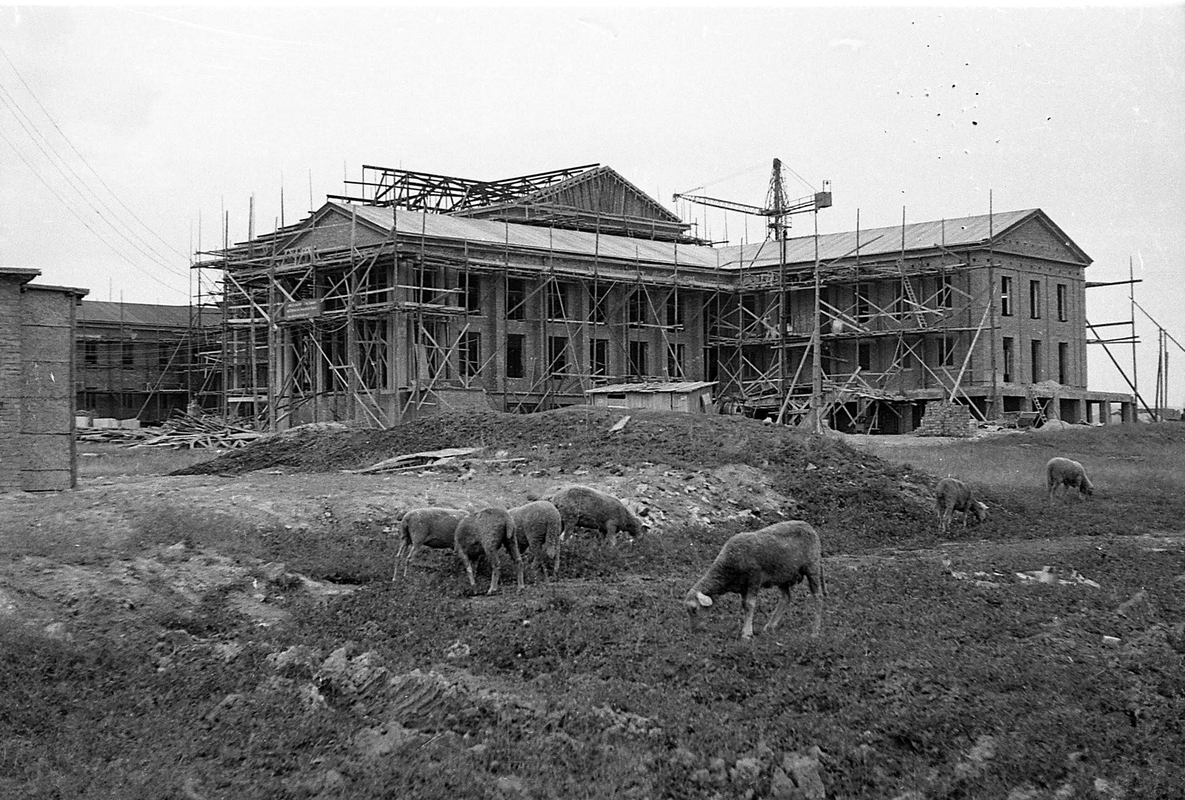
Palace under construction – 1953
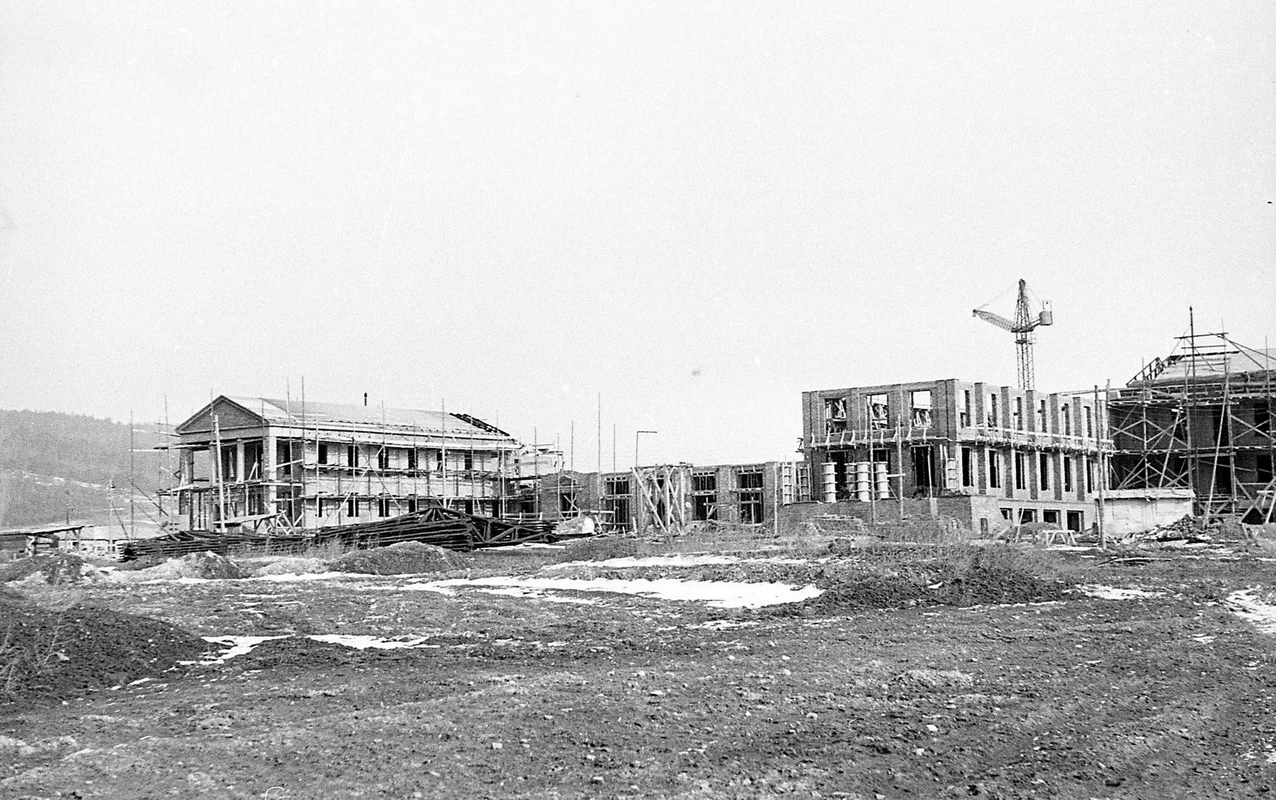
Palace under construction – 1953
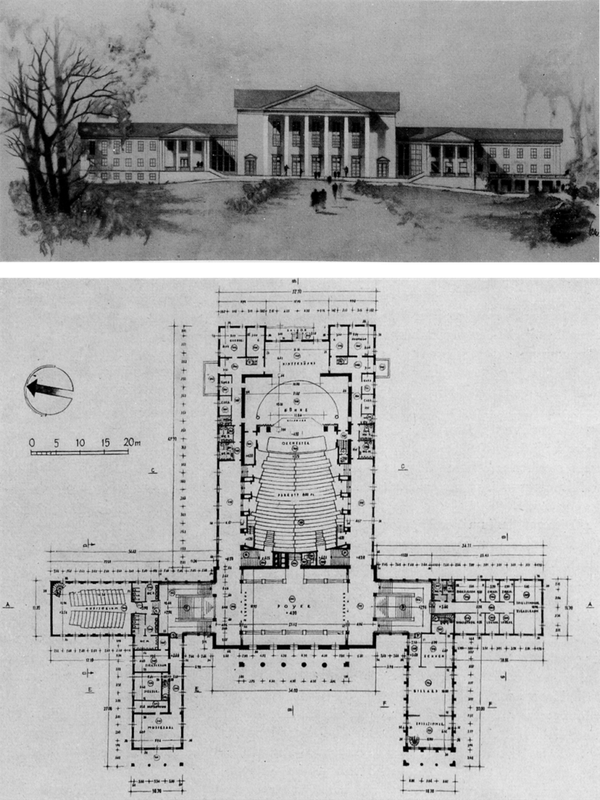
Architects Drawings
The ground breaking ceremony took place on April 16, 1952, the foundation stone was laid on June 22, 1952. The north block was the first part to be completed and received its topping-out ceremony on December 19, 1952. (Yes, less than 6 months later!) After each individual construction phase was completed, the rooms were gradually put to their intended use.
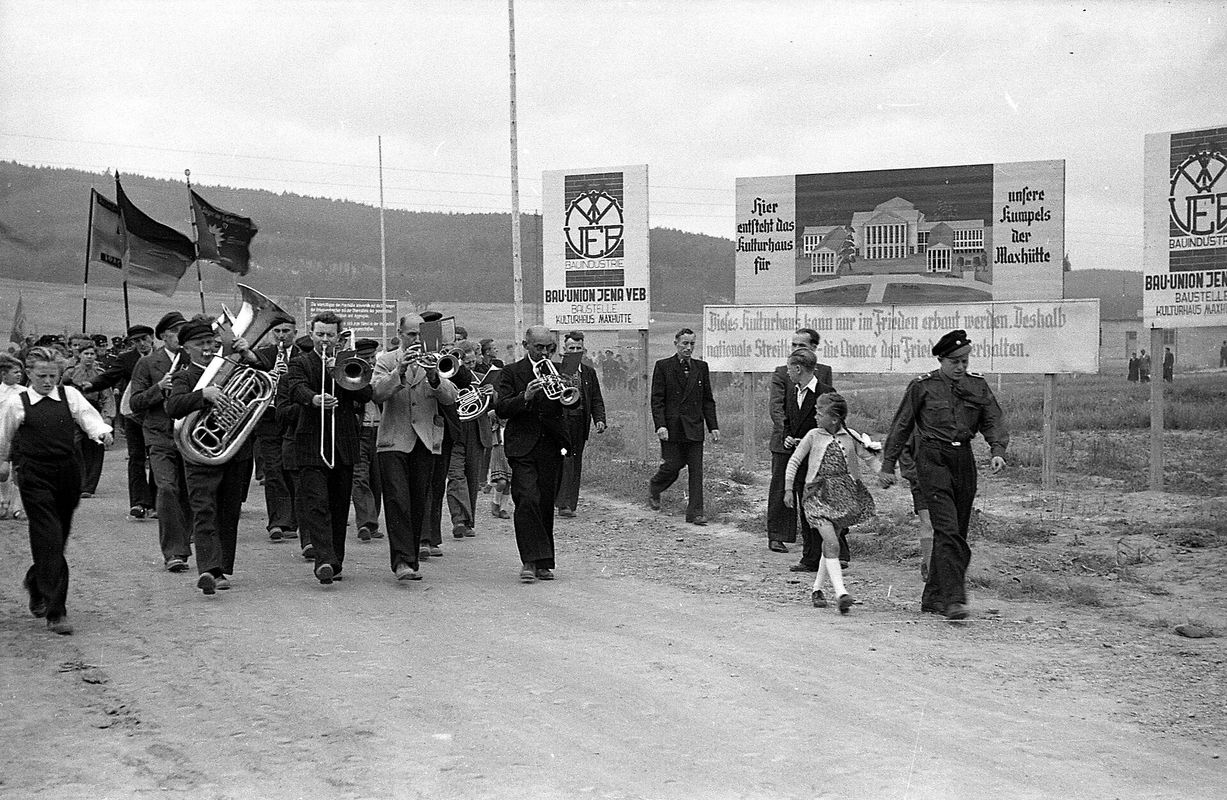
Ground breaking ceremony - 1952
On October 13, 1954, the cultural centre with hall, company library, daylight cinema and event service was handed over to the management for free use by employees. After final completion and furnishing, the house was officially opened on May 1, 1955 amidst great crowds of the population.
The Unterwellenborn Cultural Palace has been a listed building since September 24, 1987. But has been empty since 1990.
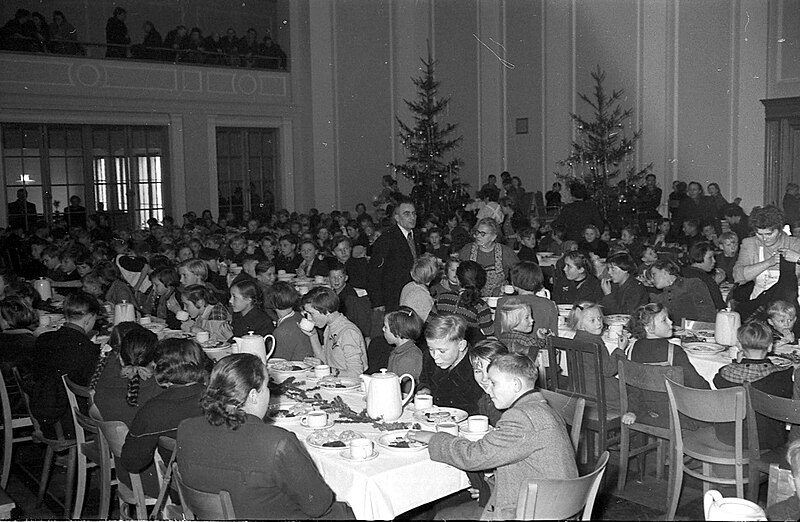
Dining Hall in use - 1965
Until German reunification, the house was a home for the activities of local clubs and groups. Several times a week, film screenings and dance events for all ages attracted guests from the entire former district of Gera to Unterwellenborn. GDR television recorded entertainment shows and theatre productions here, and national and international entertainers presented their music including bands like Tangerine Dream.
After the Maxhütte (local steel company who employs most of the town) filed for bankruptcy in 1992, the new owner, tried to find a buyer for the house. To support the sale and because the brown coal heating system had to be shut down, the Unterwellenborn community had a gas regulator station built for the house on the nearby long-distance gas pipeline. In addition, a new roof covering was installed and part of the facade paint was renewed using funding from the district amounting to 600,000 D-Marks.
After a company from Hesse that wanted to set up a retirement home for "assisted living" also backed out because of the expected high costs of living space, the contract was finally awarded to "Immo-Möbel GmbH & Co. KG" from Kronach and its managing director Knut Schneider in 1994. (TBH he does sound like a right Knut…)
When a series of break-ins began in 1993 (that has not yet ended) the community tried to relocate the remaining facilities such as the library, and photo lab. Windows and doors damaged by vandalism and thieves were repaired at the owner's expense. Since the community was allowed to use the outdoor facilities based on an agreement, they were maintained by the local building yard.
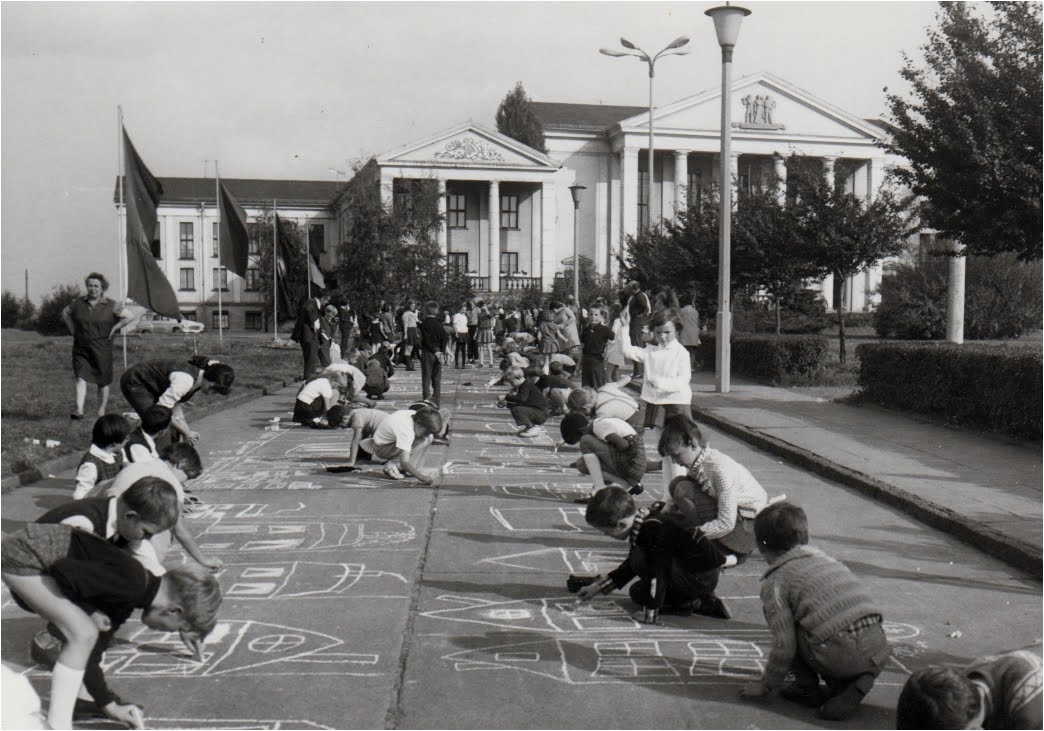
Kids playing outside the palace 1965
According to a police report, between 8:50 p.m. on January 28 and 5:10 a.m. on January 29, 2021, stage lighting systems, a slide projector and reflectors with an estimated total material value of around 60,000 euros were stolen from the house. The perpetrators had to dismantle some of the parts at a height of eight meters.
Within a month the police reported that they had identified a 44-year-old man from the Leipzig area in whose business premises almost all of the stolen stage equipment was found. Parts of the stolen emergency power system and three ceiling lamps from the Kulturpalast were also found there, so the perpetrator was charged with a total of three break-ins into the property. To date the palace owner Knut Schneider has not picked up the items held by the police.
The building is often used a case study for assignments for architecture students at the Bauhaus University in Weimar.
Misc facts:
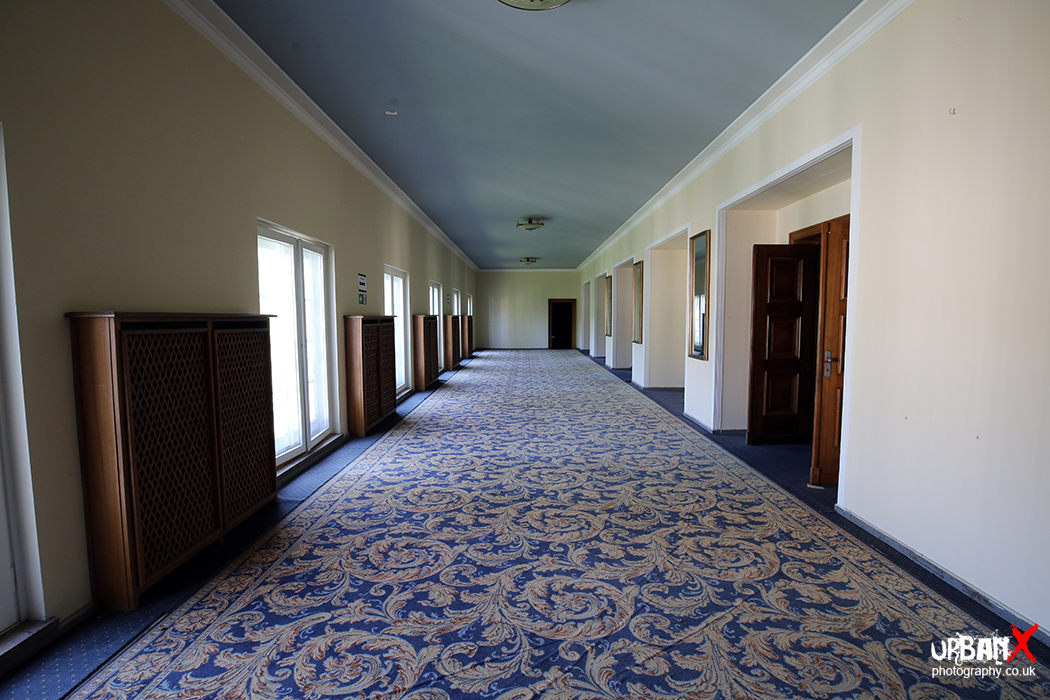
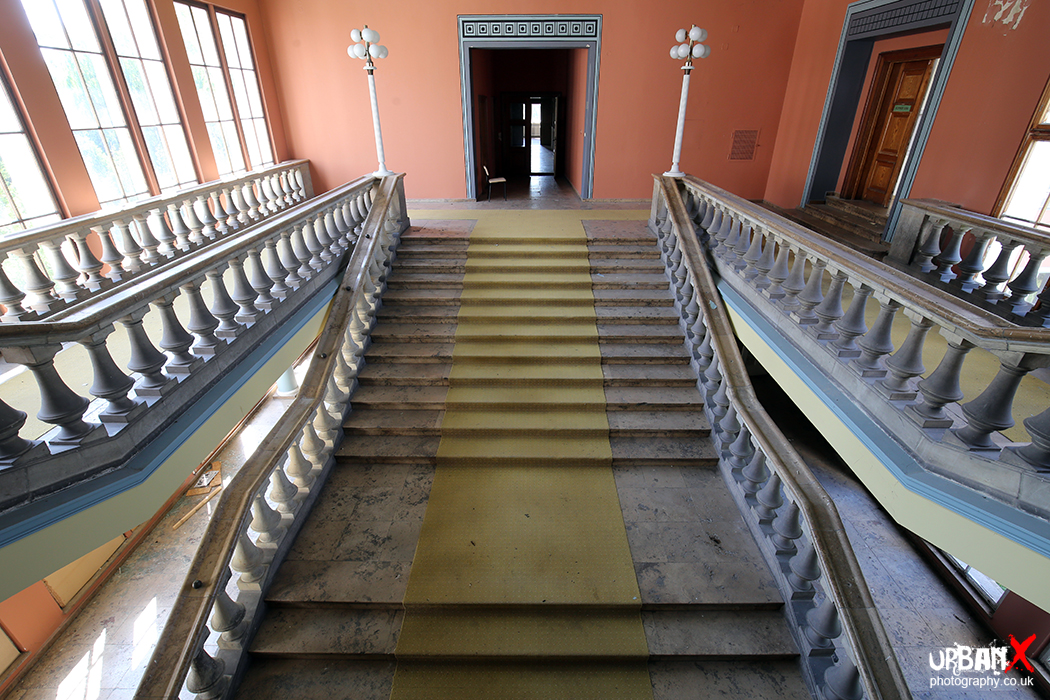
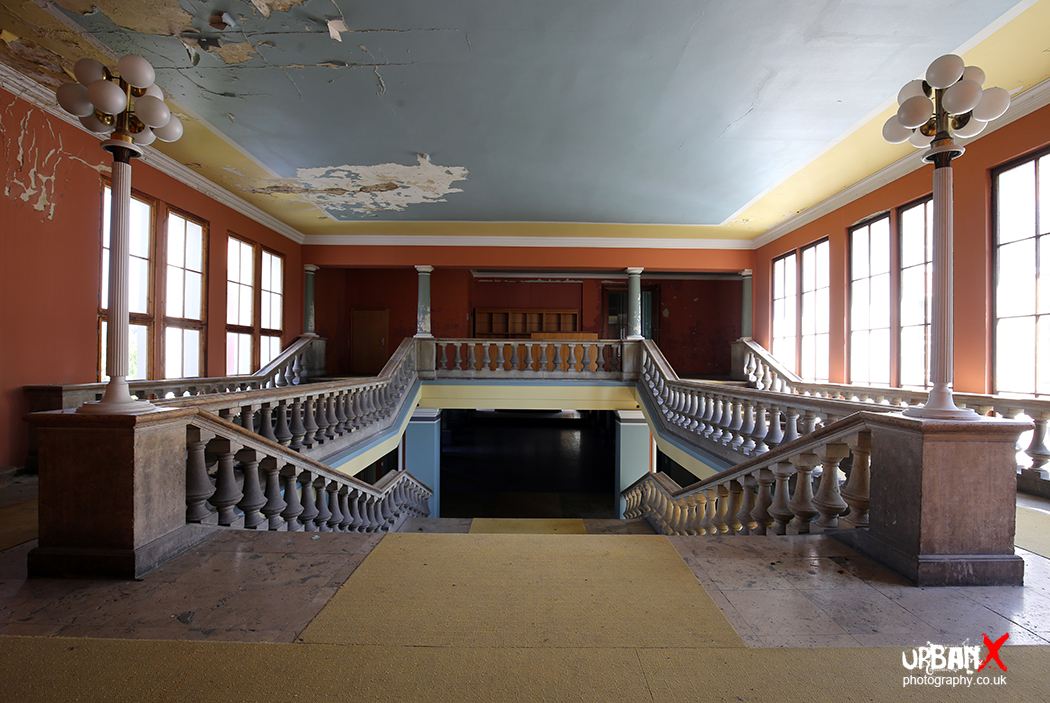
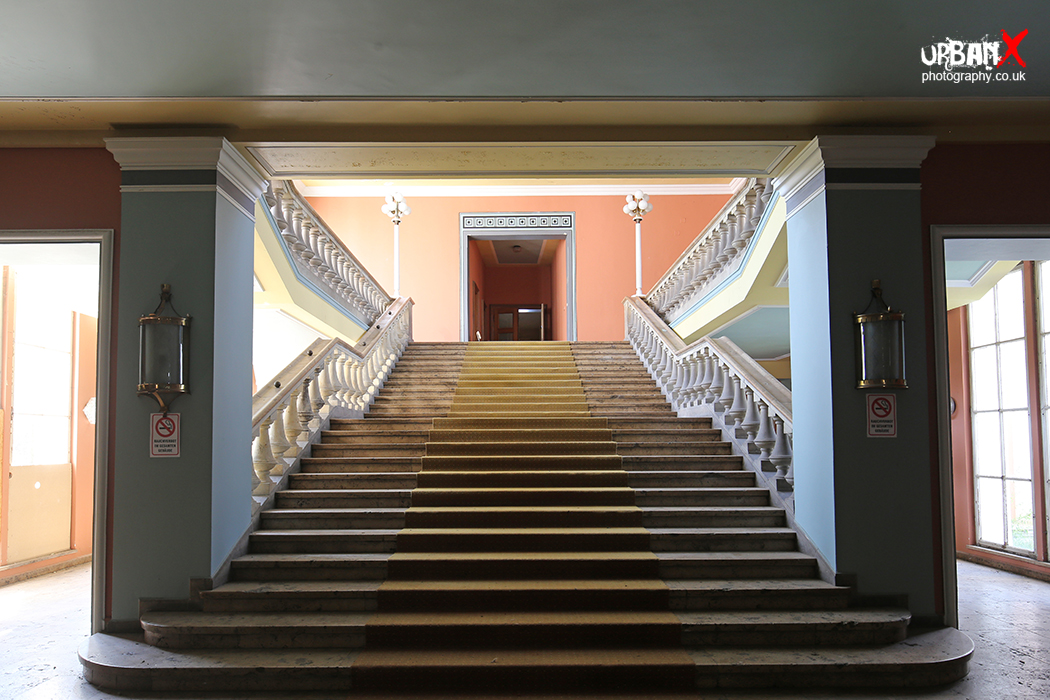
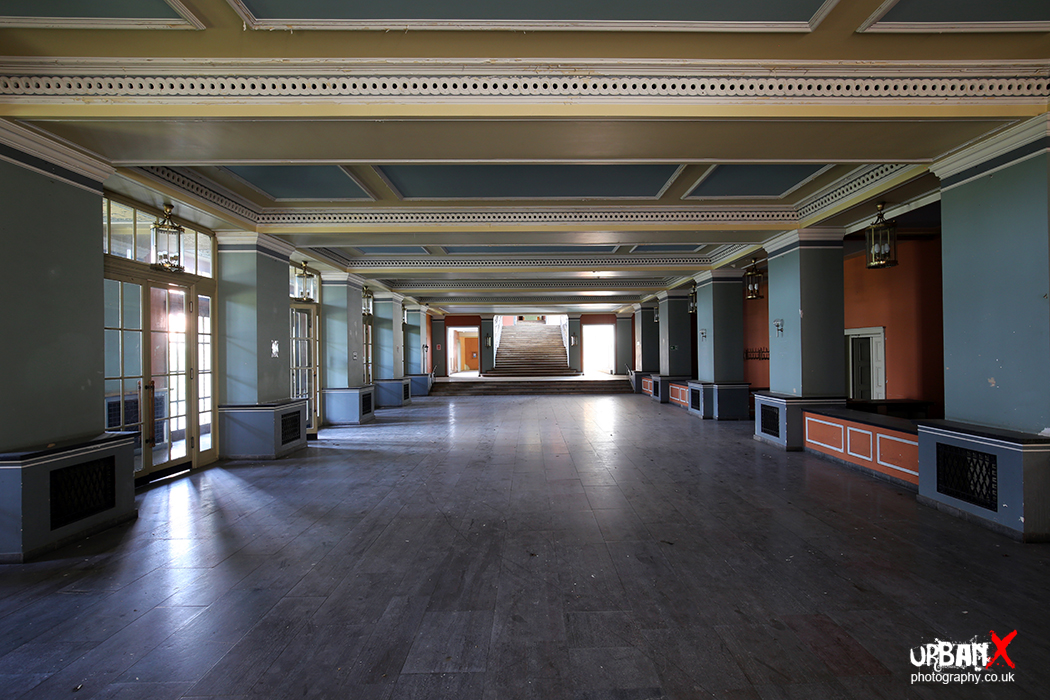
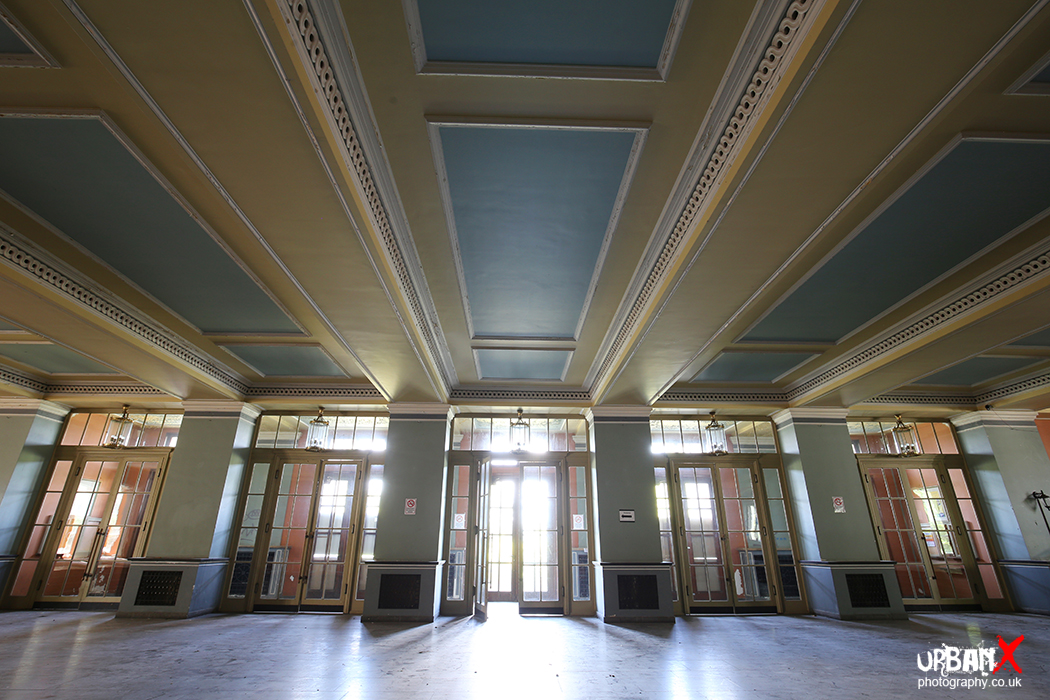
The building complex includes a large theatre and cinema hall with around 700 seats and a 360 m² front and back stage, a music salon with around 200 seats, a foyer with a north gallery for music, dance events and conferences with 320 seats, a small hall with 120 seats, a café-restaurant with around 120 seats, a restaurant in the vaulted cellar, a large seminar room with 180 seats, a library, club and games rooms, lecture rooms, several meeting rooms and a large kitchen.
The lighting, with more than 50 different lamps and chandeliers, came from companies in Leipzig, Chemnitz and Ebersbach. These included standard models as well as custom-made ones.
The more than 1,000 programs in the theatre/cinema, the auditorium, the music salon and the youth room had more than 185,000 visitors in 1983 alone.
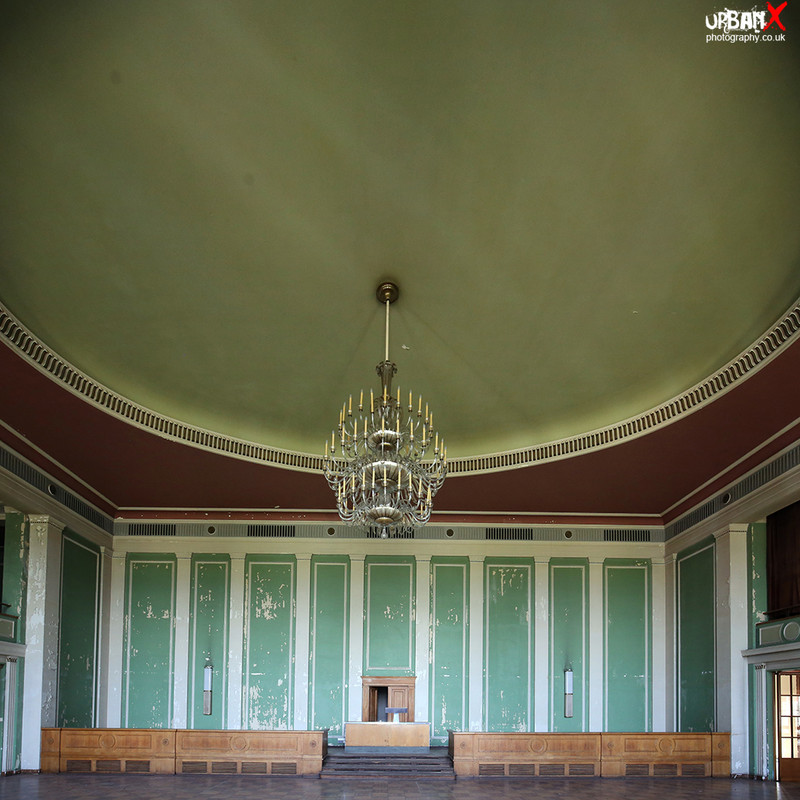
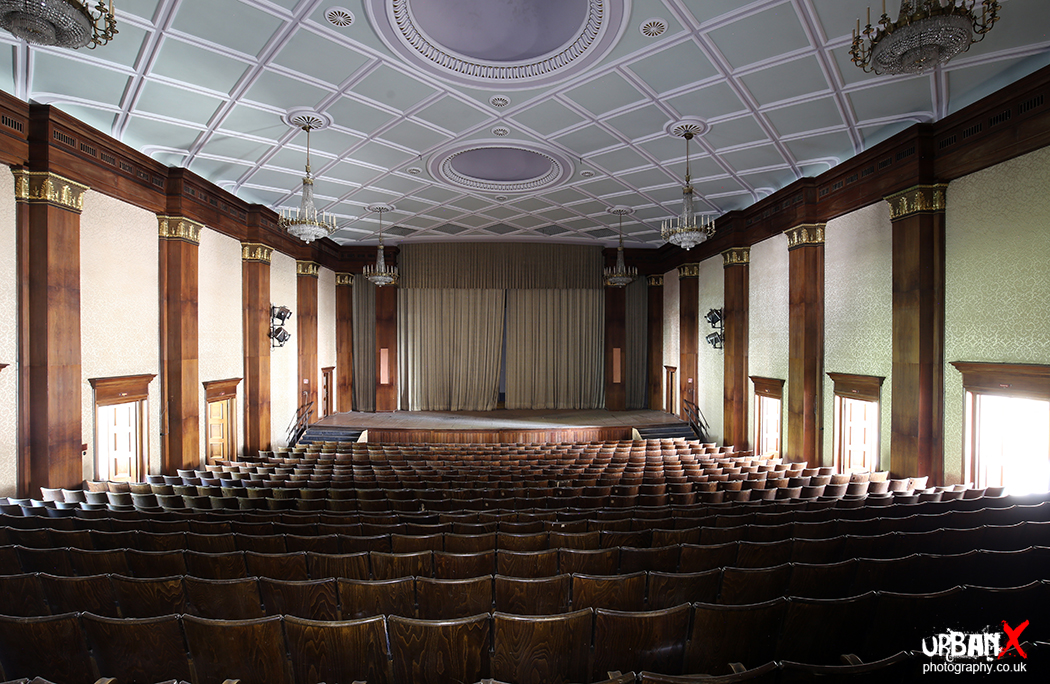
The Theatre – viewed from the back of the auditorium
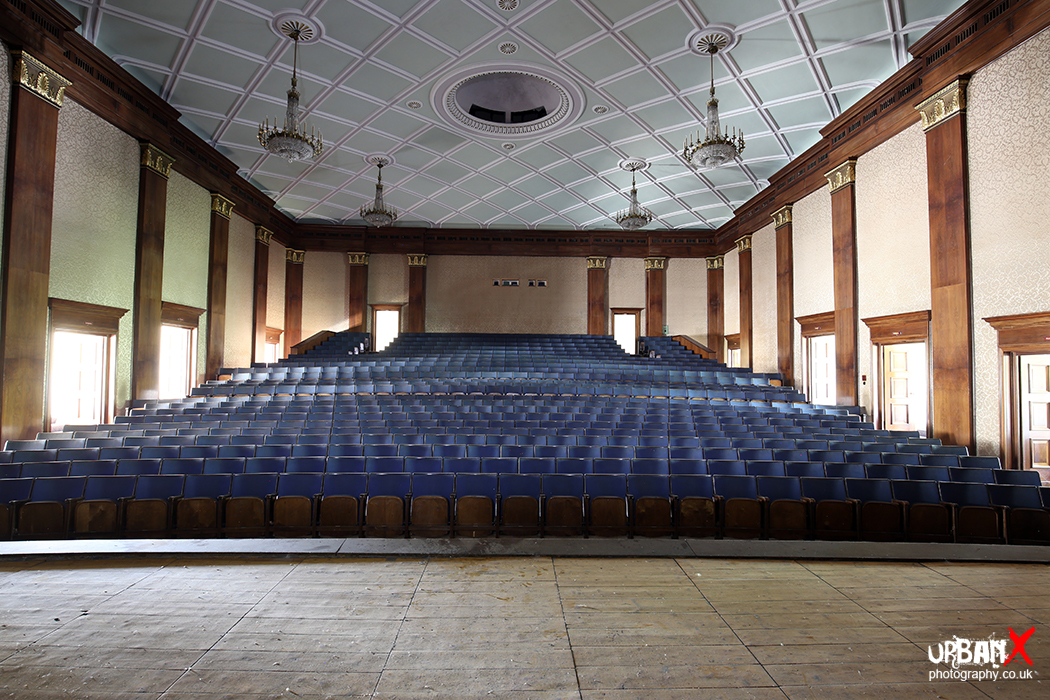
The Theatre – viewed from the back of the stage
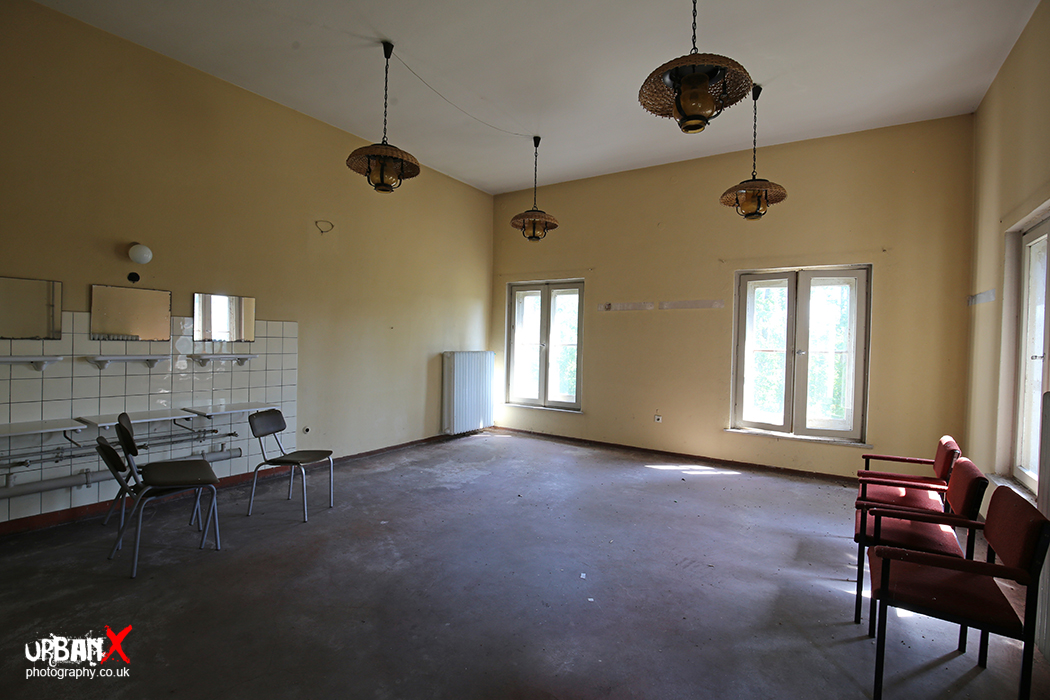
Back stage dressing room
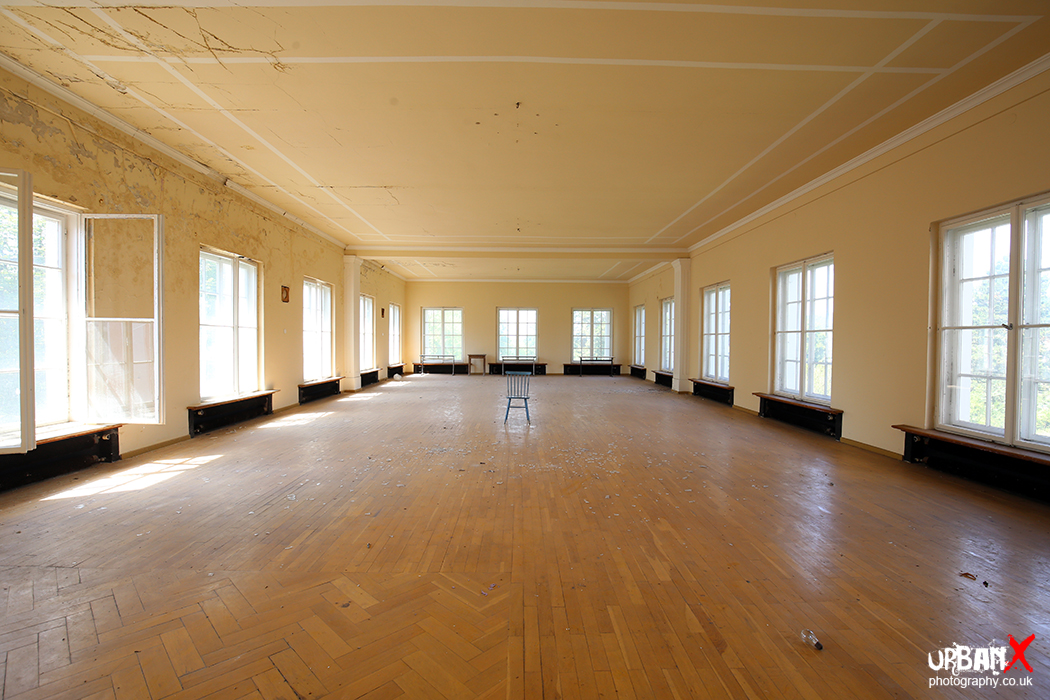
Ballet Studio
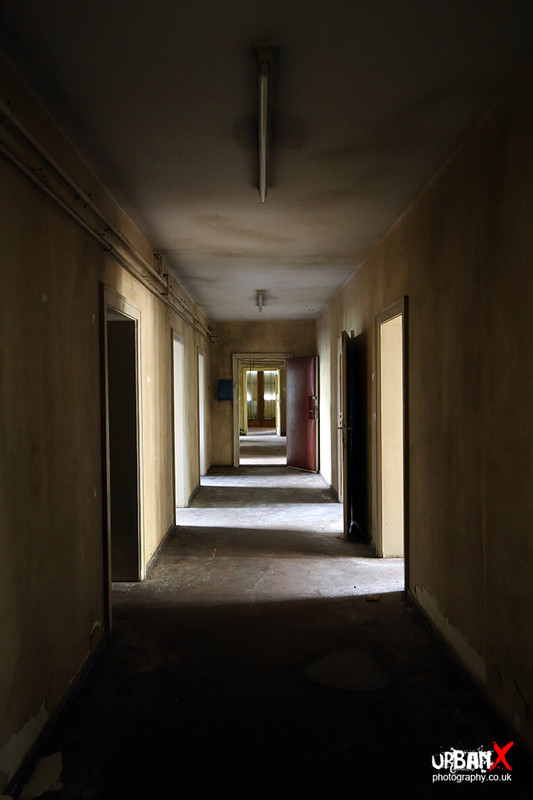
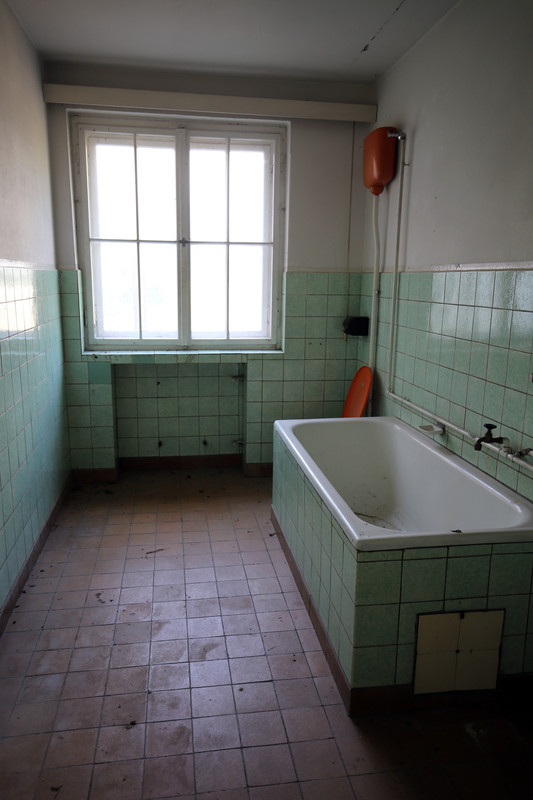
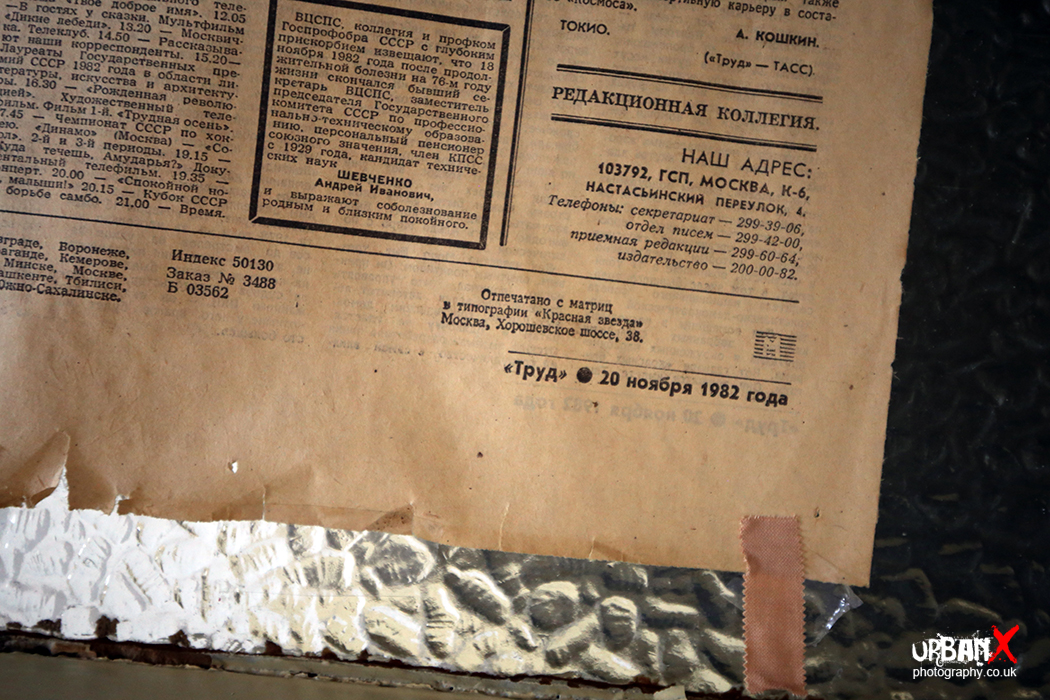
Soviet newspaper from November 1982
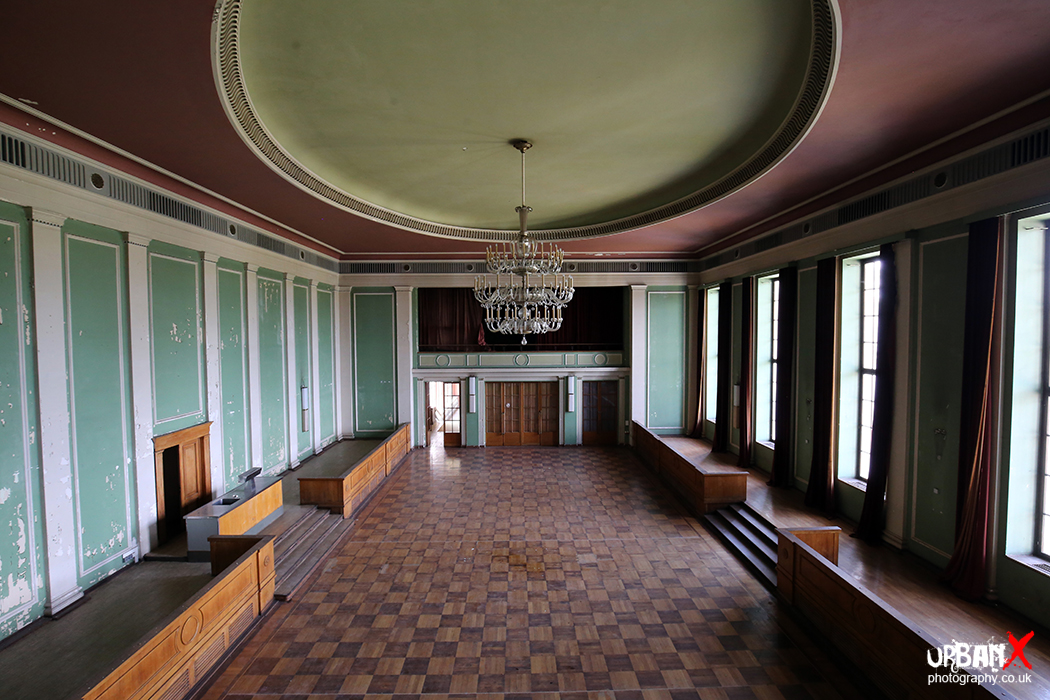
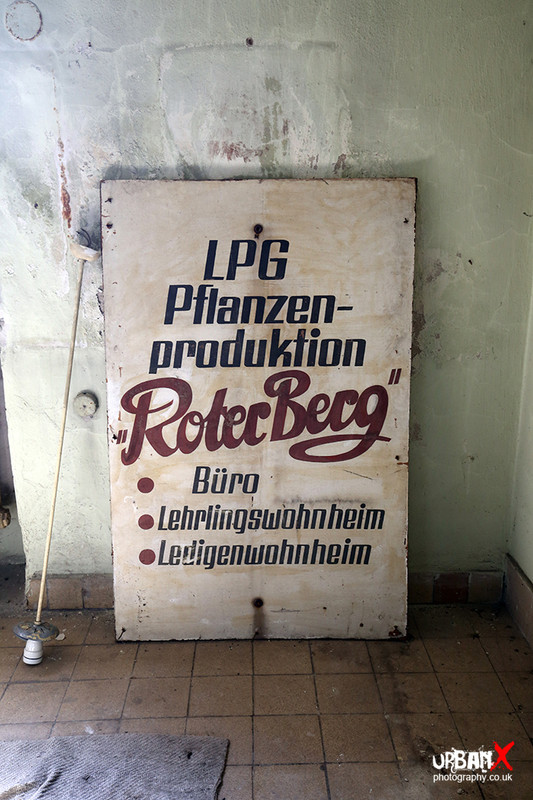
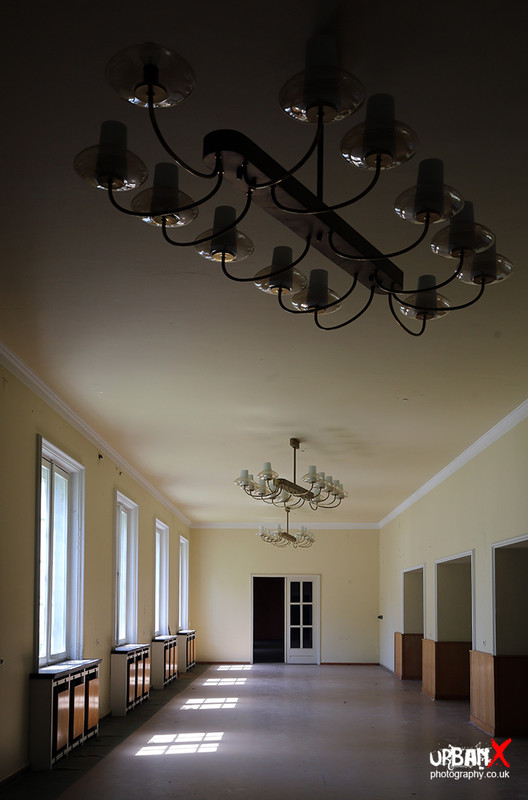
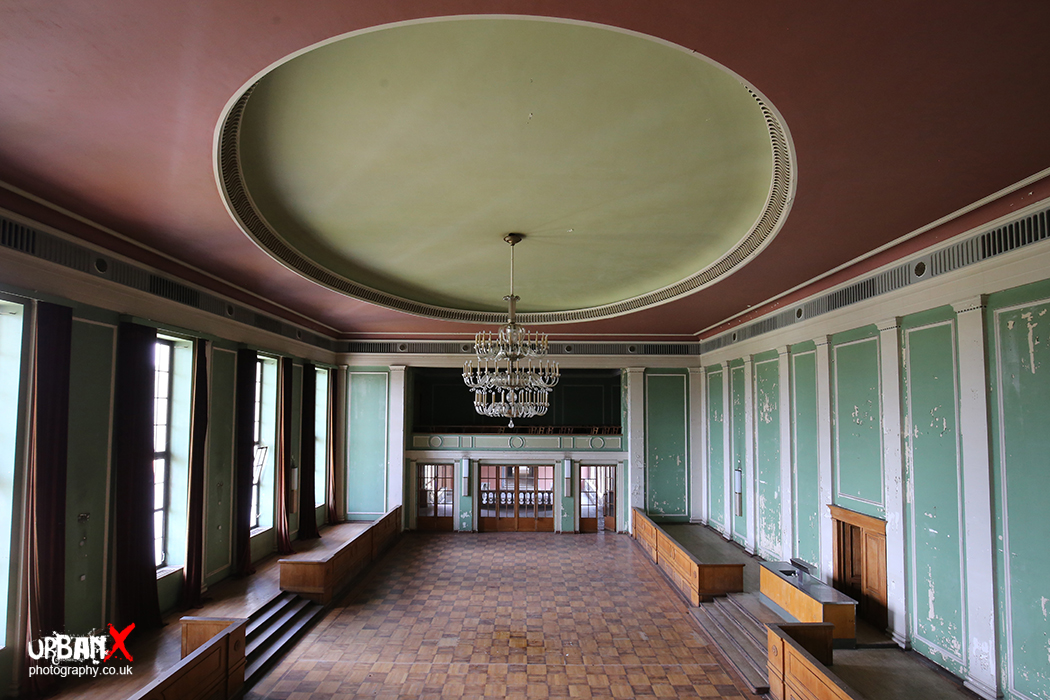
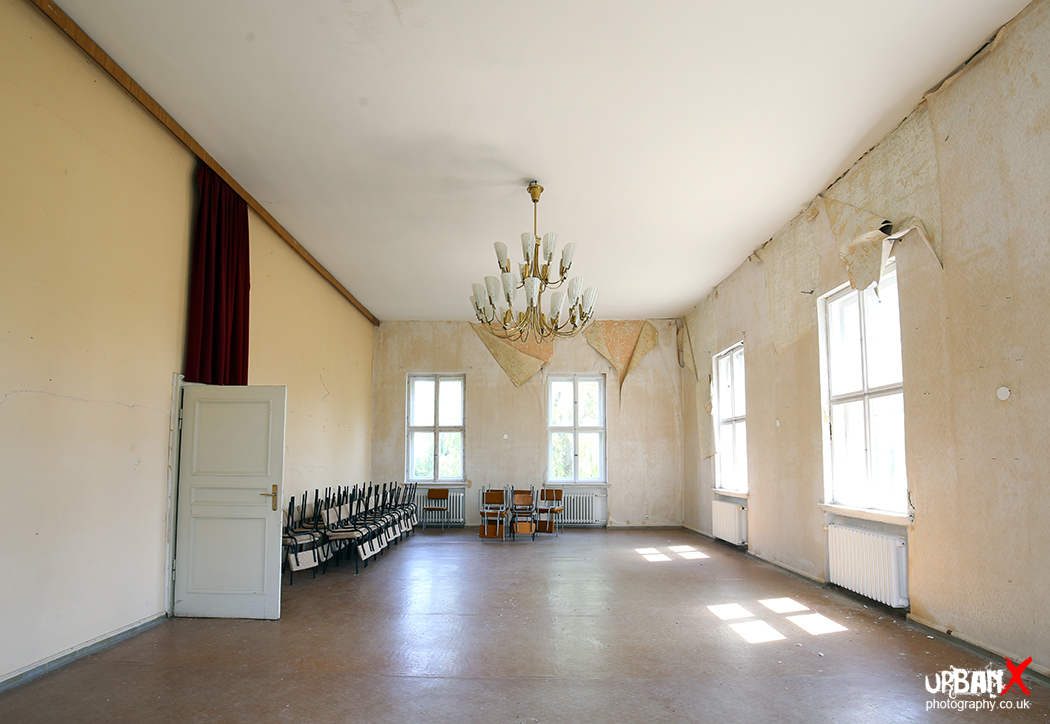
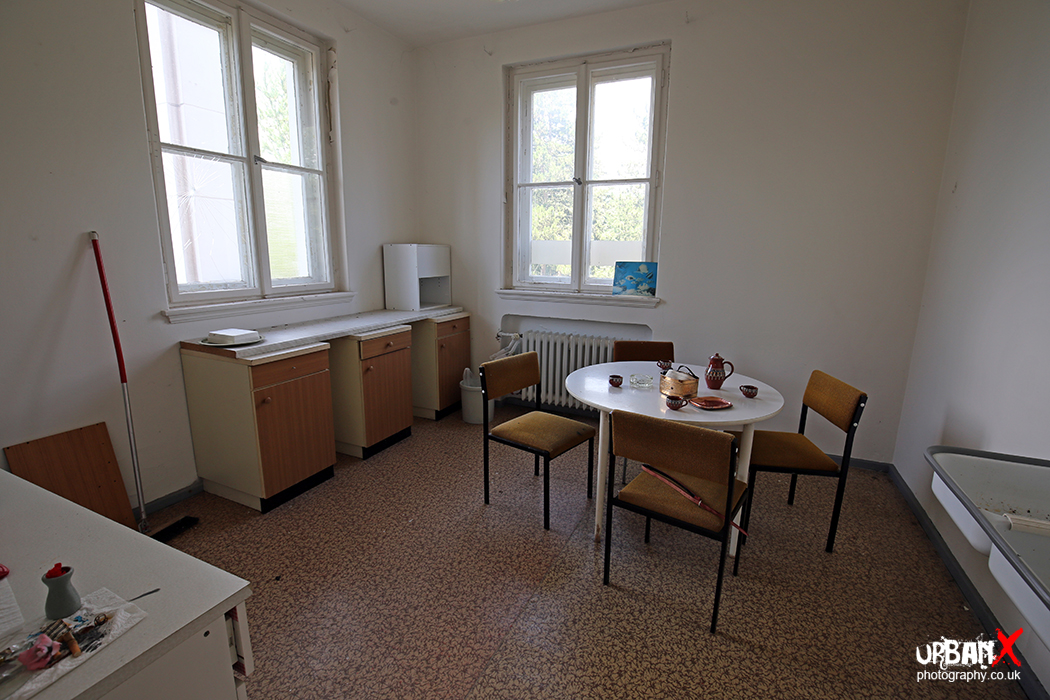
This was a weird little kitchen. All of the signs indicated it was still in use. Odd.
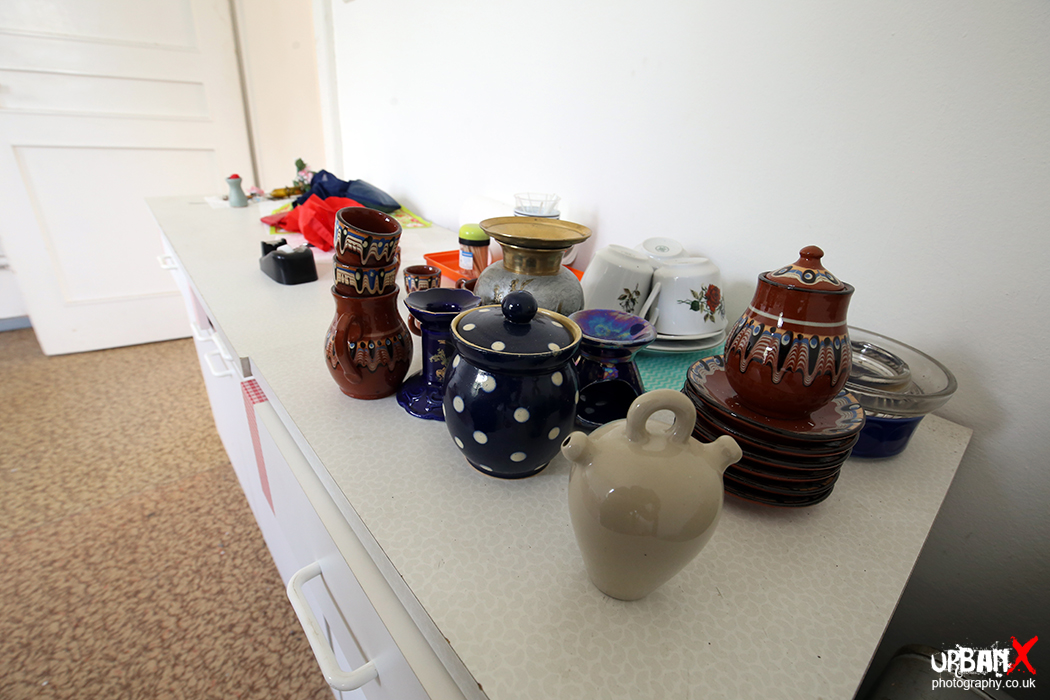
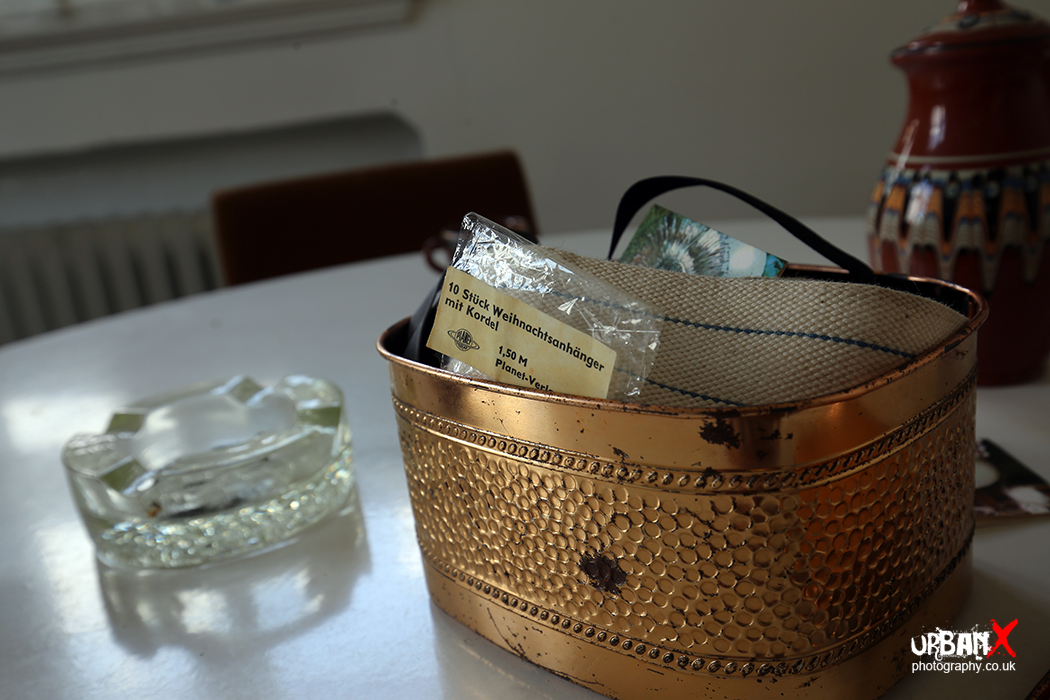
Library
The library was located in the north wing and had fiction, non-fiction, specialist and children's literature, newspapers and magazines as well as audio media for all ages. As of March 1981, it was open on Tuesdays and Thursdays from 1 p.m. to 6 p.m., Wednesdays from 2 p.m. to 6 p.m. and Fridays from 3 p.m. to 6 p.m. Borrowing was free.
In November 1984, the library had a collection of more than 30,000 volumes and almost 700 records.
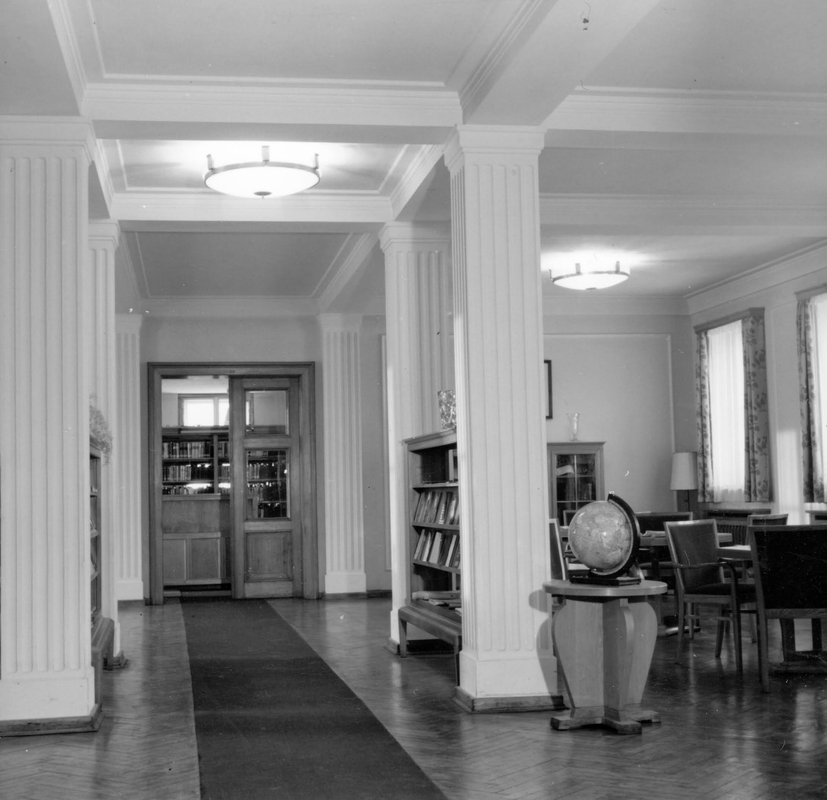
Library in use – 1965
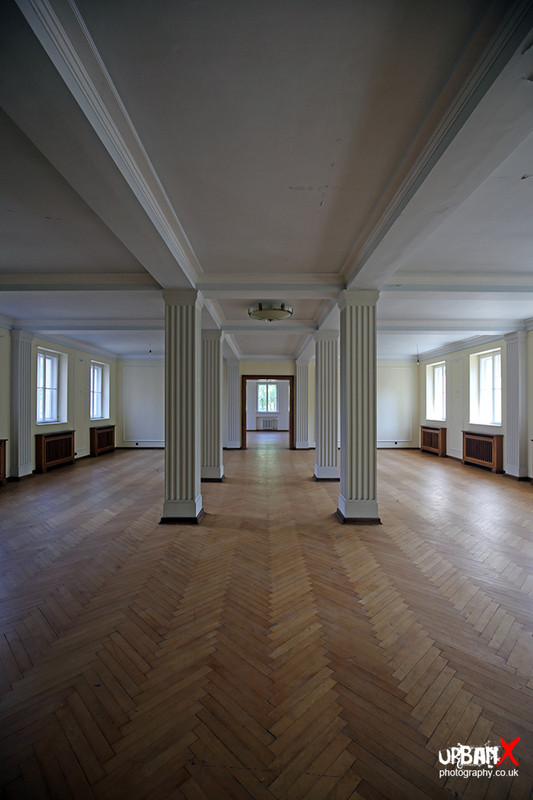
Library in 2024
Thanks for reading.
The VEB Maxhütte Unterwellenborn Cultural Palace is a former cultural center and has been a listed building since September 24, 1987. It is located in the municipality of Unterwellenborn in the Saalfeld-Rudolstadt district in Thuringia.
During the GDR era, the building was directly connected to local public transport, so that visits to the regularly offered events were easy for everyone thanks to bus transfers, even to neighbouring districts.
The responsibility for the project was given to the architect Hanns Hopp , originally from Lübeck and then head of the German Building Academy of the GDR (DBA) . Hopp in turn commissioned Josef Kaiser , who had only been working in the Master Workshop II for a few weeks at the time , to prepare a first preliminary design.
Since Kaiser had not only been successful as an architect since the mid-1930s, but had also been active as an opera singer, he knew the acoustic and functional requirements of theatres and opera houses very well from his own experience. He signed the four basic design variants and the implementation draft as the author, while Hopp signed the plans as the director.
After a multi-stage design and selection process, Kaiser's fourth design was finally accepted. The outdoor facilities were designed through many voluntary work by Maxhütte (local steelwork) employees.
Palace under construction – 1953
Palace under construction – 1953
Palace under construction – 1953
Architects Drawings
The ground breaking ceremony took place on April 16, 1952, the foundation stone was laid on June 22, 1952. The north block was the first part to be completed and received its topping-out ceremony on December 19, 1952. (Yes, less than 6 months later!) After each individual construction phase was completed, the rooms were gradually put to their intended use.
Ground breaking ceremony - 1952
On October 13, 1954, the cultural centre with hall, company library, daylight cinema and event service was handed over to the management for free use by employees. After final completion and furnishing, the house was officially opened on May 1, 1955 amidst great crowds of the population.
The Unterwellenborn Cultural Palace has been a listed building since September 24, 1987. But has been empty since 1990.
Dining Hall in use - 1965
Until German reunification, the house was a home for the activities of local clubs and groups. Several times a week, film screenings and dance events for all ages attracted guests from the entire former district of Gera to Unterwellenborn. GDR television recorded entertainment shows and theatre productions here, and national and international entertainers presented their music including bands like Tangerine Dream.
After the Maxhütte (local steel company who employs most of the town) filed for bankruptcy in 1992, the new owner, tried to find a buyer for the house. To support the sale and because the brown coal heating system had to be shut down, the Unterwellenborn community had a gas regulator station built for the house on the nearby long-distance gas pipeline. In addition, a new roof covering was installed and part of the facade paint was renewed using funding from the district amounting to 600,000 D-Marks.
After a company from Hesse that wanted to set up a retirement home for "assisted living" also backed out because of the expected high costs of living space, the contract was finally awarded to "Immo-Möbel GmbH & Co. KG" from Kronach and its managing director Knut Schneider in 1994. (TBH he does sound like a right Knut…)
When a series of break-ins began in 1993 (that has not yet ended) the community tried to relocate the remaining facilities such as the library, and photo lab. Windows and doors damaged by vandalism and thieves were repaired at the owner's expense. Since the community was allowed to use the outdoor facilities based on an agreement, they were maintained by the local building yard.
Kids playing outside the palace 1965
According to a police report, between 8:50 p.m. on January 28 and 5:10 a.m. on January 29, 2021, stage lighting systems, a slide projector and reflectors with an estimated total material value of around 60,000 euros were stolen from the house. The perpetrators had to dismantle some of the parts at a height of eight meters.
Within a month the police reported that they had identified a 44-year-old man from the Leipzig area in whose business premises almost all of the stolen stage equipment was found. Parts of the stolen emergency power system and three ceiling lamps from the Kulturpalast were also found there, so the perpetrator was charged with a total of three break-ins into the property. To date the palace owner Knut Schneider has not picked up the items held by the police.
The building is often used a case study for assignments for architecture students at the Bauhaus University in Weimar.
Misc facts:
The building complex includes a large theatre and cinema hall with around 700 seats and a 360 m² front and back stage, a music salon with around 200 seats, a foyer with a north gallery for music, dance events and conferences with 320 seats, a small hall with 120 seats, a café-restaurant with around 120 seats, a restaurant in the vaulted cellar, a large seminar room with 180 seats, a library, club and games rooms, lecture rooms, several meeting rooms and a large kitchen.
The lighting, with more than 50 different lamps and chandeliers, came from companies in Leipzig, Chemnitz and Ebersbach. These included standard models as well as custom-made ones.
The more than 1,000 programs in the theatre/cinema, the auditorium, the music salon and the youth room had more than 185,000 visitors in 1983 alone.
The Theatre – viewed from the back of the auditorium
The Theatre – viewed from the back of the stage
Back stage dressing room
Ballet Studio
Soviet newspaper from November 1982
This was a weird little kitchen. All of the signs indicated it was still in use. Odd.
Library
The library was located in the north wing and had fiction, non-fiction, specialist and children's literature, newspapers and magazines as well as audio media for all ages. As of March 1981, it was open on Tuesdays and Thursdays from 1 p.m. to 6 p.m., Wednesdays from 2 p.m. to 6 p.m. and Fridays from 3 p.m. to 6 p.m. Borrowing was free.
In November 1984, the library had a collection of more than 30,000 volumes and almost 700 records.
Library in use – 1965
Library in 2024
Thanks for reading.
No photos have been added to this portfolio yet or the previously uploaded photos have been removed.
To get in touch, please use the contact page.
To get in touch, please use the contact page.